
This is a sponsored post written by me on behalf of the National Fire Protection Association.
When we think about keeping our homes safe, ways to prevent fires at home often get overlooked. We usually focus on locking windows and doors or installing a security system, but fire is a major danger that can strike faster than you’d ever imagine.
Every year, most fire-related deaths in North America happen at home, and you may have as little as two to three minutes to escape safely after the smoke alarm sounds. We’re partnering with the NFPA to share essential tips on protecting your home from the devastation of fire. We’ve expanded our original guide from 5 tips to 10 — covering everything from kitchen fire safety and candle fire prevention to home fire escape plans and electrical fire hazards.
Whether you’re doing a seasonal spring cleaning or simply tidying up, these fire prevention tips should be part of every homeowner’s routine. Keeping your home safe starts with awareness — and a little planning goes a long way.
⏱️ 2-3 Minutes
That’s all the time you may have to escape safely once your smoke alarm sounds. Every second counts in a home fire.
1Never Cook and Run
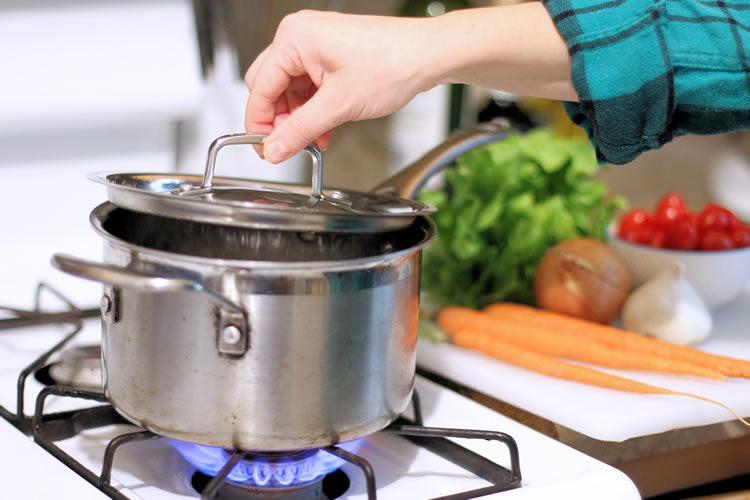
Cooking fires are the number one cause of fires and injuries in the home, and most cooking fires involve the kitchen stove. And if you get easily distracted like I do, then here’s a little wake-up call: unattended cooking is the leading cause of kitchen fires.
I must admit that I’m guilty of this one. Does this sound familiar? You’re cooking up something for dinner and then run out of the kitchen to do something that is probably not that important. What was only supposed to take a few seconds turns into minutes, and then you come back to the kitchen only to find that what was cooking now boiled over or burned. Luckily no fires. This time!
To keep it safe, always stay in the kitchen while you are frying, boiling, grilling, or broiling. If you do have to leave the kitchen, to keep it safe just turn off the stove. And if you’re simmering, baking, or roasting food, be sure to check it regularly. Never leave your house while you have food cooking and use a timer for a friendly reminder.
💡 Fire Prevention Tip: If you need to leave the kitchen while you’re cooking, take a kitchen utensil with you as a reminder that you have something on the stove and need to get back quickly.
📎 Learn more: Cooking Fire Safety – U.S. Fire Administration (FEMA)
2Keep Your Cooking Space Clean and Organized
Sometimes when we’re not paying attention, things in our cooking space can easily catch fire. Things like oven mitts, wooden utensils, food packaging, paper towels or napkins should be kept a safe distance away from the stove-top. I find when I cook in a more organized way and clean as I go, I’m a lot less likely to let these types of things get near my stove top.
A cluttered kitchen isn’t just a headache — it’s a genuine fire hazard. Keeping your counters tidy and your cooking area organized is one of the simplest, most effective forms of kitchen fire prevention. If you’re looking for ways to keep your whole home tidier year-round, check out our guides on keeping your kitchen fresh and creating a clutter-free home.
3Be Prepared In Case You Do Have a Cooking Fire
Sometimes even when we think we’re being safe things can happen. So, for a little extra precaution while you’re cooking, keep a lid nearby that fits properly on the pot or pan you’re using. If a small fire does start, use the lid to smother the flames and then turn off the burner. Keep the pan covered until you know the fire has subsided and the pan or pot has completely cooled down.
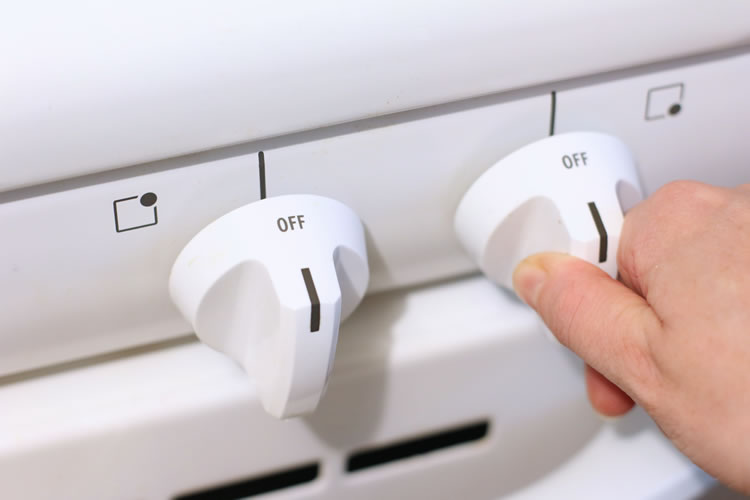
⚠️ If there’s an oven fire: Quickly turn the heat off and keep the door closed. If at any time you feel like the fire is too much for you to handle, get out of the house, close the door behind you to help contain the fire and call 9-1-1 or your local fire department from outside your home. Don’t go back in and let the professionals handle it.
Having a fire extinguisher in your kitchen is also a smart backup — we cover that in detail in Tip #6 below.
4Always Handle Candles With Care
Let’s face it: nothing sets the mood like candlelight. They create such a relaxing and Zen atmosphere and they can smell so darn good. But as beautiful as they are, candles can be a major cause of home fires and, even scarier, home fire deaths.
8,690 Fires
Average number of home fires started by candles each year in the U.S. More than one-third began in bedrooms.
According to the NFPA, from 2011–2015, U.S. fire departments responded to an average of 8,690 home structure fires that were started by candles. More than one-third (37%) of those home candle fires were started in the bedroom and three of every five candle fires started when they were left too close to flammable objects like furniture, mattresses or bedding, curtains, or decorations. In 16% of those fires, the candles were unattended or abandoned. And it’s probably no surprise but Christmas, New Year’s Day and New Year’s Eve have the highest number of candle fire incidents than any other days of the year.
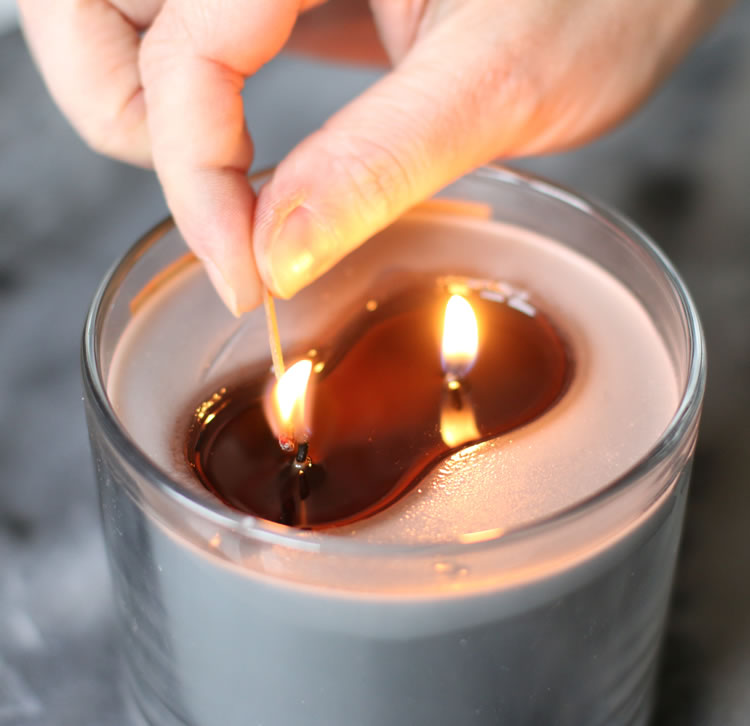
If you love candles as much as I do, there are a few things you can do to continue to enjoy them safely:
- Never leave candles unattended and blow them all out when you decide to leave the room or go to bed.
- Avoid the use of candles in the bedroom and other areas where people may fall asleep.
- Keep candles at least 1 foot (30 centimeters) away from anything that can burn, including decorations or greenery.
- Always place candle holders on a sturdy, uncluttered surface and use candle holders that won’t tip over easily.
- Light candles carefully, keeping hair, sleeves and loose clothing clear of the flame.
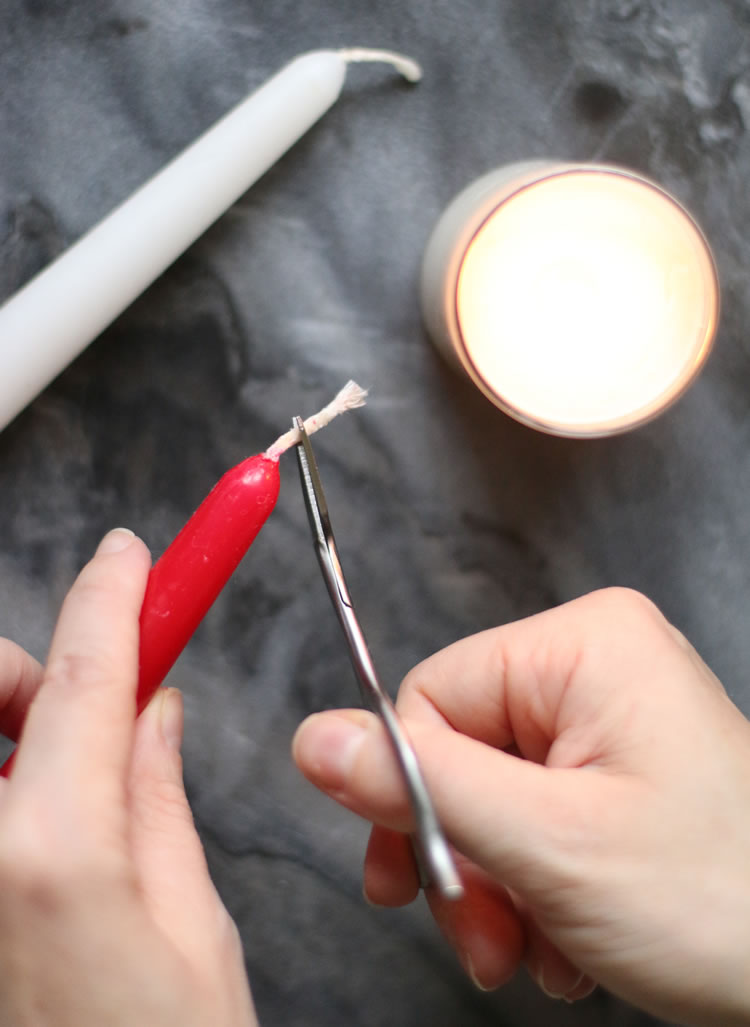
- Trim long candle wicks down to about ¼ of an inch to keep flames manageable. Extinguish the flame before it gets too close to the holder or container. You can use the candle holder’s lid to smother the flame gently rather than blowing out the flame.
- Have flashlights and battery-powered lighting ready to use during a power outage. Never use candles as a substitute during outages.
📎 Learn more: Home Fire Safety – NFPA
5Make Sure Your Smoke Alarms Are In Working Order
When was the last time you tested your smoke alarms? Can’t remember? It might be time. The smoke alarms in your home should be cleaned of dust and tested every month. If they’re not working properly, immediately change the batteries or replace the unit if needed. Your home should have smoke alarms installed on every floor including inside bedrooms and in hallways.
📌 Quick Smoke Alarm Checklist: Test monthly by pressing the test button. Replace batteries at least once a year. Replace the entire unit every 10 years. Make sure alarms are interconnected — when one sounds, they all should sound.
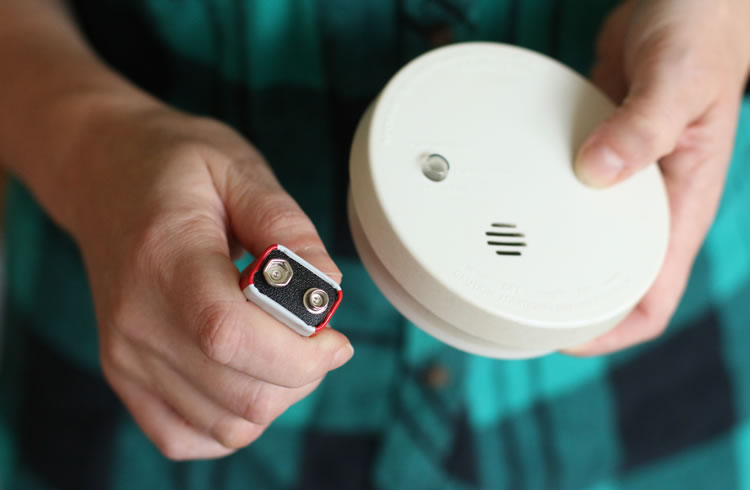
A working smoke alarm is literally your home’s first line of defense. The American Red Cross notes that 65% of home fire deaths occur in homes with no working smoke alarms. That stat alone should be a wake-up call for every household.
6Know How to Use a Fire Extinguisher
A home fire extinguisher is one of the most important safety tools you can own — but it’s only useful if you know how to use it. The U.S. Fire Administration recommends every household have at least one multipurpose (A-B-C) fire extinguisher, ideally one in the kitchen and one on each floor of your home.
Before you ever need to use one, take a few minutes to read the instructions and familiarize yourself with the basics. The standard method is the PASS technique:
- Pull the pin at the top of the extinguisher to unlock the operating lever.
- Aim the nozzle low, directly at the base of the fire — never at the flames themselves.
- Squeeze the lever to release the extinguishing agent in a controlled, steady stream.
- Sweep from side to side at the base of the fire until it is completely out.
⚠️ Important: Only attempt to use a fire extinguisher on small, contained fires. If the fire is growing, blocking your exit, or filling the room with smoke, get everyone out immediately, close the door, and call 911. Your safety always comes first.
📎 Learn more: Choosing and Using Fire Extinguishers – U.S. Fire Administration (FEMA)
7Create and Practice a Home Fire Escape Plan
Here’s a sobering fact: in a home fire, you may have less than two minutes to get out safely. That’s not a lot of time to figure things out on the spot. A home fire escape plan removes the guesswork and gives every member of your household a clear path to safety — especially children and older adults.
The NFPA recommends drawing a floor plan of your home and mapping out at least two ways out of every room. Here’s how to put a solid escape plan together:
- Draw a map of your home. Mark all doors and windows — make sure none are blocked or painted shut.
- Identify two exit routes from every room, including bedrooms.
- Choose a meeting place outside your home where everyone will gather after escaping.
- Designate one person — ideally an older child or adult — to call 911 from outside once everyone is safe.
- Practice your escape plan with everyone in the home at least twice a year.
- Teach kids what a smoke alarm sounds like and what to do when they hear it.
💡 Pro Tip: Practice your drill at different times of day — including at night when everyone is asleep. Being able to navigate your escape route in the dark could save lives.
See also

📎 Learn more: Home Fire Preparedness – American Red Cross | Home Fire Escape Plans – USFA
8Use Space Heaters Safely
As temperatures drop, many of us reach for portable space heaters to add extra warmth. But space heater fires are one of the leading causes of home heating fires — and they can get deadly fast. According to the U.S. Fire Administration, portable heater fires account for a disproportionate share of fatal heating fires each year, despite making up a small percentage of all heating fires.
The good news is that space heater fire prevention is mostly about following a few simple rules:
- Keep space heaters at least 3 feet away from anything that can burn — furniture, curtains, bedding, clothing, and paper products.
- Turn off space heaters when you leave the room or go to bed. Never leave one running unattended.
- Plug space heaters directly into wall outlets only — never into extension cords or power strips, which can overheat.
- Choose a heater with a thermostat and auto shut-off feature for added safety.
- Never use a cooking range or oven to heat your home — this is a common and dangerous mistake.
Keeping your home warm during the colder months doesn’t have to come with extra risk. A little caution goes a long way when it comes to heating safety at home.
9Inspect Electrical Cords, Outlets, and Appliances
Electrical fires are a sneaky and often invisible threat. Unlike cooking or candle fires, electrical fires can start behind walls, inside appliances, or from a frayed cord sitting quietly in a corner — and you might not even notice until it’s too late.
The NFPA’s electrical safety guidelines and the USFA both emphasize that electrical fire prevention starts with regular inspection and awareness. Here’s what to look for:
- Regularly check electrical cords for fraying, cracking, or exposed wires. Replace anything that looks worn.
- Never run cords under rugs, carpets, or through high-traffic areas where they can get damaged.
- Avoid overloading outlets or power strips. If an outlet feels warm, stop using it and have it inspected.
- Plug major appliances (refrigerators, dryers, washers) directly into wall outlets — never into extension cords.
- Unplug small appliances when they’re not in use, especially chargers, irons, and toasters.
- Make sure all electrical outlets have proper cover plates with no exposed wiring.
📌 Don’t forget the dryer: Failure to clean your dryer vent is one of the leading causes of dryer fires. Clear the lint trap before every load and have the vent professionally cleaned at least once a year.
If you’re looking to do a broader review of your home’s condition, our guide on catching common problems in your house is a great place to start. And if you’re in an older home, be sure to read our tips on improving air quality in older homes — many of the same inspection habits apply.
10Store Flammable Materials Safely
Most of us have flammable materials somewhere in our homes without even thinking about it — cleaning products under the sink, paint cans in the garage, lighter fluid by the grill, or even aerosol sprays on the bathroom shelf. When these materials are stored carelessly, they can turn a small spark into a serious home fire in seconds.
Proper flammable material storage is an often-overlooked piece of home fire safety. Here are the key guidelines:
- Store flammable liquids (gasoline, paint, solvents) in original, tightly sealed containers — never in food or drink containers.
- Keep flammable materials in a cool, dry, well-ventilated area away from heat sources, sparks, or open flames.
- Never store flammable materials near your furnace, water heater, or any appliance with a pilot light.
- Keep aerosol cans away from heat and direct sunlight — they can explode if overheated.
- Dispose of oily rags properly: store them in a sealed metal container or dispose of them immediately. Oily rags can spontaneously combust if left in a pile.
- Keep matches and lighters out of reach of children at all times.
💡 Home Maintenance Tip: Do a quick flammable-materials audit when you do your seasonal cleaning. Check the garage, laundry room, and under-sink cabinets. If something hasn’t been used in over a year, dispose of it properly.
If you’re in the habit of doing a thorough seasonal home reset, pair this with our guides on making your home less prone to damage and eco-friendly cleaning for a well-rounded approach to home maintenance.
📎 Learn more: Home Fire Prevention – U.S. Fire Administration (FEMA)
🏛️ Trusted Fire Safety Resources
🔥 Stay Safe. Stay Informed.
For more ways to prevent fires and promote fire safety in your home, visit the National Fire Protection Association.
📚 More Home Safety & Maintenance Tips
Better Living uses affiliate links. If you make a purchase through them, we may receive a small commission (for which we are deeply grateful) at no cost to you.
No responses yet